
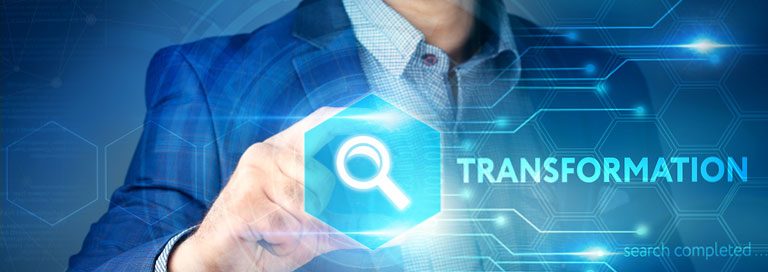
Organizations of all sizes are adopting AI and other advanced applications to gain competitive advantages. Before they can do that, however, many find they need to modernize their IT environments.
Small to midsize enterprises (SMEs), in particular, often have overly complex environments with a mix of systems and applications. Lacking a strategic plan, SMEs often buy solutions to meet specific needs without a thorough understanding of how they fit into the overall environment. Years of delayed upgrades compound the problem.
It’s not surprising, then, that up to 30 percent of IT budgets are now earmarked for modernization. Organizations are looking to increase operational efficiency while making their IT infrastructure more adaptable and scalable.
However, technical hurdles, resource constraints and skills gaps make it difficult to execute modernization initiatives. Additionally, many smaller IT teams remain in perpetual “firefighting” mode, leaving little bandwidth for innovation.
What Is IT Modernization?
IT modernization sounds straightforward enough — simply replace outdated hardware and software with more up-to-date systems. In some respects, that’s true. IT modernization is considered more of a tactical update than digital transformation, which involves a cultural and strategic shift that changes how an organization operates and delivers value to customers.
Nevertheless, IT modernization should be a strategic process with an eye toward measurable goals. While those goals will vary based on the organization’s business objectives, the IDC Modernization Maturity framework focuses on the following six “pillars”:
- IT Infrastructure: Shifting from legacy on-premises hardware to agile, hybrid or multi-cloud environments.
- Application Development: Moving from monolithic legacy code to modern practices such as microservices and DevOps.
- Data Management: Modernizing how data is stored, governed and accessed.
- Cybersecurity: Integrating security directly into the modernization roadmap rather than treating it as an afterthought.
- People: Addressing the skills and cultural shifts necessary to support new technologies.
- AI Readiness: Laying the foundation needed to leverage AI and machine Learning.
The Outcome-Based Approach
The AWS Well-Architected framework takes a different approach that emphasizes business and IT outcomes. It strives for operational excellence by monitoring systems to ensure they deliver business value and continually improving processes through automation. Cost optimization is another key component.
Organizations should ensure that they understand where their IT dollars are going so they can avoid unnecessary costs and scale without overspending.
The AWS model prioritizes the efficient use of computing resources to meet requirements and maintain efficiency as demand changes. It also focuses on ensuring that IT workloads perform their intended function reliably, with the ability to recover quickly from failures. Security is built into the model to ensure that systems, assets and information are protected.
In essence, IT modernization should reduce long-term operational expenses while enhancing security and enabling systems to scale easily based on business demand. It should also streamline operations to provide faster, more reliable services. However, achieving these objectives isn’t easy.
Overcoming IT Modernization Challenges
Old hardware and custom apps often lack the flexibility to integrate with modern cloud platforms, creating data silos and inefficiencies. Connecting new software with existing infrastructure is time-consuming and can cause operational friction. Poor data quality and manual processes often stymie attempts at automation.
SMEs must prioritize spending carefully, often leading to underinvestment in critical areas such as cybersecurity. Project scopes can expand unexpectedly, and transitioning to the cloud can lead to “bill shock” if costs are not optimized. Advanced systems require niche skills that are scarce and expensive.
Partnering with Verteks can provide a path forward. Verteks consultants have both the technical expertise and business acumen to help SMEs develop an IT modernization strategy. They can perform an objective assessment of the existing environment and recommend solutions that will deliver real business value within limited budgets.
Verteks also offers comprehensive managed services that enable IT teams to get out of firefighting mode and focus on driving the business forward. Contact one of our experts to schedule a no-obligation consultation.