

Business leaders seldom think much about their physical security systems. As long as the system is working, it doesn’t get much consideration.
However, legacy systems create significant risk, not just to physical security but to the IT infrastructure. Increasingly, security devices connect to the data network, often becoming the weakest link that attackers can exploit. They lack the features needed to protect against today’s complex cyberattacks.
Systems more than seven years old are ripe for an upgrade. Organizations should look for systems that provide robust security features and are compliant with government and industry regulations. Because these systems are network-connected, it’s important to partner with a technology provider with expertise in networking and cybersecurity.
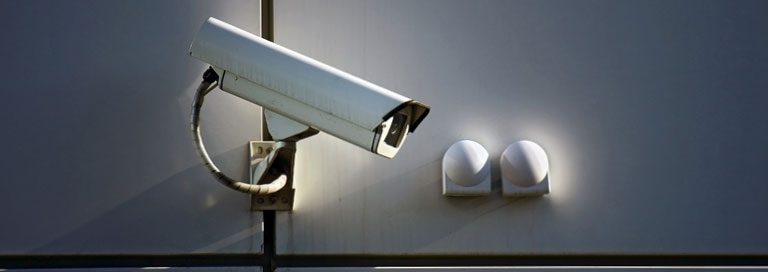
Can That Surveillance Camera Be Hacked?
In the security industry, the effective lifecycle for these systems is typically five to seven years. Manufacturers often stop providing firmware updates, software patches or technical support for products of this age. This leaves known vulnerabilities open to exploitation.
Many legacy systems were designed before modern connectivity and security standards existed. They cannot support defense-in-depth measures such as multifactor authentication (MFA), role-based access controls (RBACs) or modern endpoint protection platforms. Outdated devices often have default passwords that cannot be changed due to firmware limitations. These passwords are publicly available in hacker databases.
Additionally, legacy systems may not be capable of combating contemporary threats. Older hardware often relies on deprecated encryption protocols such as SHA-1 or TLS 1.0. It may even lack encryption entirely for data in transit. Attackers could intercept credentials or manipulate communication between devices.
Legal, Operational and Business Risks
Regulations such as HIPAA, GDPR and NIST frameworks mandate regular updates and strong encryption for any network-connected device. Using unsupported legacy equipment can lead to failed audits and significant penalties. Unless the network is segmented to isolate the security system, a breach of a legacy device can serve as an entry point for an attacker to move into sensitive databases or financial systems.
Legacy security systems may also be vulnerable to physical sabotage and manipulation. Attackers who breach these systems can remotely manipulate physical controls to facilitate physical intrusion. Compromised camera systems allow hackers to view private feeds for spying or to alter video streams to hide unauthorized activities.
Legacy physical security systems also create blind spots. These systems typically lack the logging and real-time monitoring capabilities required to detect a breach in progress. Incidents are not discovered until long after the damage is done. Maintaining aging hardware requires specialized expertise that is increasingly rare, diverting IT resources from proactive cybersecurity operations.
Cybersecurity Features to Look For
When it’s time to upgrade a physical security system, organizations should look for features that protect the system itself from being hacked or disabled. Strong identity verification is key to ensuring that only authorized personnel can access the system. For maximum security, the system should provide for strong, end-to-end encryption.
The system should be compatible with modern firewalls to block unauthorized traffic. Ideally, the system should automatically check for and install security patches to close newly discovered vulnerabilities. It should maintain detailed logs of who accessed the system and what changes they made.
How the system connects to the network determines its vulnerability to remote attacks. The system should be isolated on a dedicated network or VLAN, preventing a breach from exposing the entire network. Secure boot features ensure that a device only runs trusted software from the manufacturer, preventing hackers from injecting malicious code.
How Verteks Can Help
Verteks has partnered with Verkada to deliver advanced physical security systems. Our certified engineers have the technical training to install and manage the Verkada product suite, working closely with our networking and security teams to ensure robust protection. Don’t let a legacy physical security system put your organization at risk. Contact Verteks to schedule a confidential consultation and assessment.