

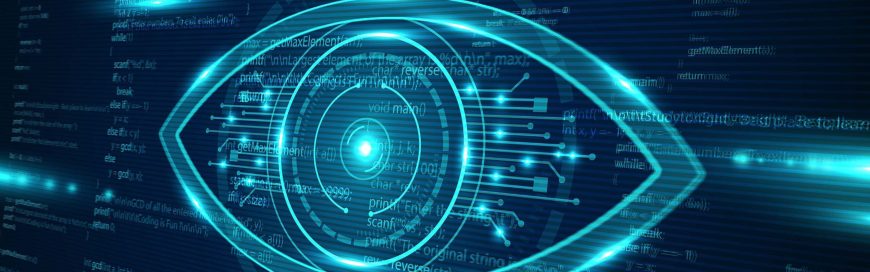
Cyber espionage is a growing threat that often targets small to midsize businesses (SMBs). Nation-states, corporate competitors and hacking groups are infiltrating company networks to steal sensitive data. They often use traditional hacking techniques, but the objective is different: get in, stay hidden for months or years, and steal as much data as possible.
While media headlines focus on large enterprises, threat actors frequently exploit smaller organizations to access larger supply chain partners. SMBs are often vulnerable to attacks, making them easier entry points for sophisticated hackers.
Organizations can defend against these covert threats through a framework of cybersecurity controls. Zero trust access, rigorous software patching and continuous monitoring enable SMBs to detect and block threats before the attackers can do serious damage.
What Is Cyber Espionage?
Cyber espionage frequently targets defense technology to compromise national military systems or build countermeasures. Competitors steal trade secrets, proprietary R&D, patents and pricing strategies. State actors compromise government agencies and diplomatic communications to sway policy decisions, track political activists or manipulate elections.
Cyber warfare is a related but distinct type of attack. Cyber espionage relies on maximum stealth and data collection. Cyber warfare centers on sabotage and disruption. Its goal is to actively cripple, degrade or destroy critical infrastructure, such as power grids, financial systems or military command channels.
Threat actors treat SMBs as “trusted nodes.” If an SMB is a supplier or contractor for a major corporation or government agency, hackers steal the SMB’s network credentials to effortlessly bypass the larger entity’s outer security walls.
Same Techniques, Different Objectives
Cyber espionage uses the same technical tools, entry vectors and hacking methods as other cyberattacks. However, it diverges in its objectives and behavioral footprints.
- A ransomware actor sends a phishing email to deploy malware that encrypts files. An espionage actor sends a phishing email to drop a keystroke logger that harvests passwords for months.
- A financial criminal uses a software vulnerability to mine cryptocurrency using an organization’s IT resources. A nation-state spy uses the same vulnerability to clone corporate emails and monitor executive communications.
- A cybercriminal uses a stolen login to drain a corporate bank account. An espionage group uses it to download blueprints or pass laterally into a government agency’s network.
When defenders spot a malicious intrusion, it is often impossible to tell whether they are dealing with a common criminal or a state-sponsored spy. Advanced actors frequently use generic cybercrime malware to mask their tracks. Organizations don’t realize state secrets or intellectual property were the true targets.
A Common Cyber Defense Framework
The good news is that an organization’s initial defense looks identical for both cyber espionage and traditional cyberattacks. SMBs don’t need multi-million-dollar budgets to stop cyber espionage. Prioritizing a few foundational controls drastically reduces risk.
Multifactor authentication (MFA) blocks most credential-stuffing attacks. Swiftly deploying security patches eliminates software vulnerabilities before sophisticated threat groups can weaponize them.
Restricting network privilege levels prevents an attacker who compromises one low-level account from moving laterally across the infrastructure. Strictly limiting and monitoring what data external contractors and vendors can access reduces the risk of supply chain attacks.
Endpoint detection and response platforms flag unusual file movements, unauthorized data exfiltration or off-hours administrative activity. Because email is the primary vector for espionage malware, routine security awareness training can improve an employee’s phishing resistance.
How Verteks Can Help
Verteks offers a comprehensive suite of managed security services that help protect against both cyber espionage and traditional cyberattacks. Cyber espionage relies on stealth. We strip away that invisibility through around-the-clock monitoring and management.
We deploy advanced behavioral software that flags abnormal activities that human analysts might miss. This minimizes false positives and allows our experts to focus on real threats. We also help customers segment their networks, deploy MFA and access controls, and apply patches and updates before threat actors can weaponize them.
Cyber espionage may be silent, but it’s a very real threat to your operations. Let us help you shore up your defenses and detect malicious activity before it causes financial and reputational damage.