

Firewall. Check.
Backups. Check.
Cyber insurance. Check.
We’re protected against ransomware. Not so fast.
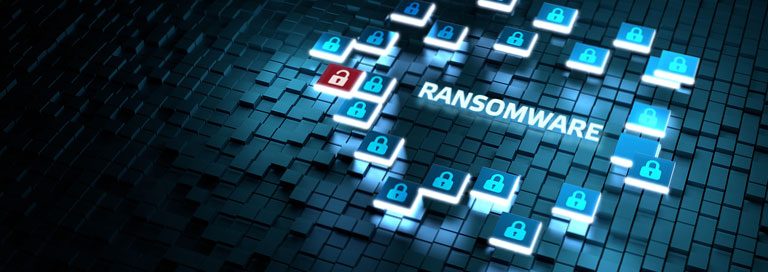
Most organizations recognize that ransomware remains a serious threat. However, too many organizations think they’re protected when they have basic security measures in place. If they do fall victim to a ransomware attack, they think cyber insurance will provide a safety net. They have a false sense of security that can leave them vulnerable to ransomware and other cyber threats.
Combatting today’s threats requires a multipronged approach spanning every aspect of the IT environment. It requires regular assessments, ongoing monitoring and a disciplined approach to IT maintenance. It also requires a rigorous data protection strategy that shields backups from ransomware and ensures that data can be restored quickly in an emergency.
Let’s look at some of the things organizations get wrong about ransomware protection and how you can avoid falling into the same trap.
A Risk Assessment that Focuses on Compliance
For too many organizations, a risk assessment is a check-the-box exercise to meet regulatory requirements. It’s simply inadequate to determine the organization’s security posture.
A thorough risk assessment must systematically identify threats and determine their likelihood and impact. It should cover the entire IT environment as well as cloud-based resources and third-party partners. The final report should prioritize risk and outline actionable steps for corrective action to ensure ongoing safety and compliance.
Delayed Patches and Updates
IT staff are often woefully slow about patching. There are too many systems, devices and applications and too many patches to test and apply across the environment. Cybercriminals know this, and they are quick to exploit unpatched vulnerabilities.
Every organization should have disciplined processes for promptly assessing, prioritizing and applying patches and updates. Organizations that are unable to keep up should consider partnering with a qualified managed services provider (MSP) who can handle this process.
Failure to Monitor for Signs of an Attack
Early detection is the key to minimizing the damage of a cyberattack. The good news is that there are usually signs that an attack is imminent or that hackers are lurking in the network. However, few organizations have the skills or resources to identify these threats.
Organizations need to monitor the IT environment around the clock to detect unusual behavior that could point to a threat. This gives the IT team time to stop the attack before it becomes a full-scale breach.
Leaving Backups Vulnerable to Ransomware
Data backups are a fundamental component of day-to-day IT operations, but many backup strategies leave gaps that put data at risk. In many cases, organizations fail to test their backups to ensure they have completed correctly. Worse, they often leave backup data vulnerable to ransomware attacks.
Organizations should implement processes for backing up data, verifying the backups and ensuring the data can be restored quickly if needed. They should also follow the 3-2-1 rule, with three copies of backup data, on at least two different types of media, with at least one backup stored offset or offline.
Failure to Develop an Incident Response Plan
No security strategy can protect against all threats. Organizations need a well-thought-out plan for responding quickly when incidents occur.
An effective incident response plan should be a succinct, actionable emergency playbook that guides an organization through detecting, containing and recovering from a security breach. It should lay out roles and responsibilities and include a matrix for categorizing incidents based on their urgency and business impact. It is a living document that should be formally approved by senior management and regularly reviewed and updated based on real-world scenarios.
Trying to Go It Alone
Cybersecurity is seldom an organization’s primary focus. It often gets put on the back burner so staff can focus on more pressing business needs and objectives.
There’s no need to try to go it alone. Partnering with Verteks can relieve the burden on in-house staff while bolstering your overall security posture. Let the security experts at Verteks develop a customized plan for protecting against ransomware and other threats.