

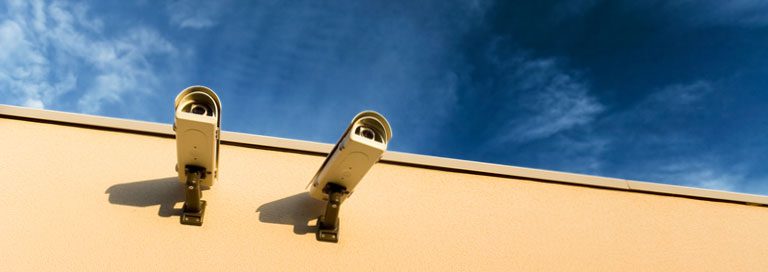
Video surveillance is a core component of any physical security strategy. It serves as a primary tool for detecting and documenting unauthorized activity and safety incidents. Visible cameras act as a deterrent to intruders.
The video surveillance market continues to grow, with the number of installed cameras expected to increase as organizations transition to AI-powered systems. A January 2026 report found that 15 percent of organizations use AI in their physical security strategies, up from 7 percent in 2024.
However, organizations need to consider the impact on the IT department when selecting surveillance systems. Traditional on-premises systems require IT to manage hardware, storage and software updates. They also introduce complex network demands and cybersecurity risks.
Modern cloud-based systems reduce this administrative overhead by shifting many of these tasks to the service provider. They also scale easily and provide built-in, real-time health monitoring.
How Does Cloud-Managed Video Work?
Also known as Video-Surveillance-as-a-Service (VSaaS), cloud-managed video eliminates the need for onsite servers and storage and allows for remote access from any location. Footage is streamed, stored and managed in the cloud (direct-to-cloud) or on a cloud-managed video recorder (CMVR), a hybrid device that bridges local cameras with the cloud.
Systems can use existing IP cameras or specialized cloud-native cameras, and often support various deployment options such as on-camera SD card storage or cloud gateways. Advanced features, such as motion detection, object detection and behavioral analytics, are often integrated into the platform.
Many platforms include built-in AI for person, vehicle, license plate and object recognition. Proactive, automated alerts reduce time spent reviewing footage, increasing actionable security intelligence.
What Are the Benefits of Cloud-Managed Video?
Improved visibility is a primary benefit of cloud-managed video. Security teams can view all cameras through one dashboard, eliminating the need to visit specific sites for footage review.
Because footage is stored in the cloud, personnel can monitor live feeds or recorded footage from any Internet-connected computer or mobile device. They can also search, export and share footage with other team members or law enforcement directly through the cloud.
Cloud-managed video reduces the need for onsite hardware maintenance, manual software updates and time-consuming IT troubleshooting. Organizations can easily add cameras or locations as needed without significant infrastructure investment.
Built-in system health monitoring provides immediate visibility into camera status to ensure continuous coverage. Software and firmware updates are pushed automatically from the cloud, ensuring the system always has the latest security patches. Automatic, secure backups and high-level encryption protect against data theft or physical destruction of recording devices.
How Do You Choose the Right Platform?
Cloud-managed video is ideal for retail chains, banks, property management firms and other multisite organizations because they provide a single interface to view all cameras and locations. Organizations with limited onsite security personnel and those in highly regulated industries can also benefit from cloud-managed video.
Capitalizing on these benefits starts with selecting the right system. Organizations should prioritize open-system compatibility, scalable storage and robust cybersecurity to ensure flexibility and investment protection. They should also compare subscription fees to the cost of the long-term maintenance of an onsite system.
Verteks has partnered with Verkada to deliver a cloud-managed video solution that combines on-camera edge storage with cloud-based management. The hybrid solution enables cameras to function autonomously during network outages, recording locally and syncing with the cloud once connectivity is restored.
Organizations still gain the benefits of reduced hardware costs, simplified management, easy scalability and remote access. Cameras run onboard AI to identify people, vehicles and faces, allowing for rapid investigation.
How Do You Get Started?
The Verteks team has the training and certifications to design and implement the Verkada cloud-managed video solution. We use advanced tools to determine which types of cameras to use and where to place them. We also have experienced network engineers who will ensure that your network can support the additional traffic. Contact us to schedule a confidential consultation.