


Shadow AI: A Growing Problem That Brings Significant Risks

AI has caused numerous unexpected issues, ranging from bias and discrimination in critical decision-making systems to misinformation and security threats. These problems often stem from the technology’s complexity and reliance on human-biased data.

However, one challenge is all too predictable: shadow AI. Employees are using an array of AI tools that aren’t sanctioned, monitored or managed by the IT department.

Data Loss Prevention Is Becoming More Powerful with AI

Data in transit is data at risk — which means a lot of data is at risk these days. Important company data regularly moves between home offices, cloud platforms and corporate networks thanks to the rise of remote and hybrid work models.

There’s always a chance that data in transit could be intercepted, accidentally delivered to the wrong person or accessed by unauthorized individuals.

Why AI Is the Future of Physical Security Systems

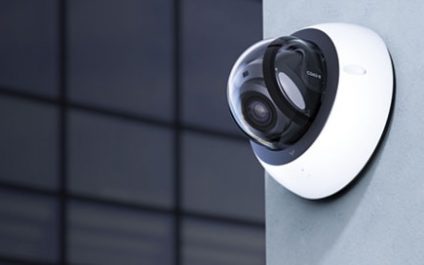
Imagine security personnel who never sleep, who are constantly analyzing video surveillance systems in real time and looking for an array of factors that could indicate a threat. That’s the promise of AI-powered physical security.

AI-powered physical security uses artificial intelligence to automate and enhance systems that protect people, property and operations.

Improving Identity Security and Management with AI

Traditionally, IAM solutions have focused on managing identities, not securing them. However, increasingly complex IT environments coupled with a growing array of threats have made identity security a top priority.

In a recent survey, 78 percent of organizations said they plan to increase their spending on identity and access management (IAM) in 2025. These organizations recognize the strategic importance of identity security in preventing ransomware and other threats.

Just released our free eBook, 20 Signs That Your Business is Ready for Managed ServicesDownload
+