

If the COVID-19 pandemic hit 15 years ago, think about how many more thousands of small-to-midsize businesses (SMBs) would have been forced to shut down.
Technology has made it possible for many SMBs to survive the disruption caused by the pandemic.

If the COVID-19 pandemic hit 15 years ago, think about how many more thousands of small-to-midsize businesses (SMBs) would have been forced to shut down.
Technology has made it possible for many SMBs to survive the disruption caused by the pandemic.
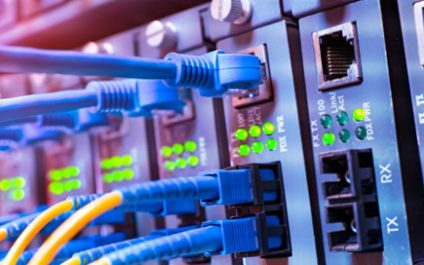
Wireless networks have evolved from a “nice-to-have” feature to a mission-critical component of the IT infrastructure. Organizations that depend on mobile devices are equally dependent on Wi-Fi — sometimes more than they are the wired network.
But even organizations that rely primarily on wireless still require a high-performance, back-end wired network.

There has been a lot of focus on the security threats associated with remote workers — and rightfully so. In the Acronis Cyberthreats Report 2020, 31 percent of organizations reported daily cyberattacks, primarily targeting remote workers. The rapid shift to remote work greatly expanded the attack surface, with employees’ devices connecting to corporate resources from outside the network perimeter.

Without proper planning, rushed migration processes can bring increased risk, cost and complexity.
Pandemic-triggered workforce changes led businesses worldwide to accelerate their cloud migration plans by an average of six years, according to a recent Lawless Research study.

Data loss prevention solutions prevent sensitive data from seeping through cracks in security.
IT security systems are designed to prevent malicious outside forces from invading the network. However, these systems generally do little to keep data inside the network.
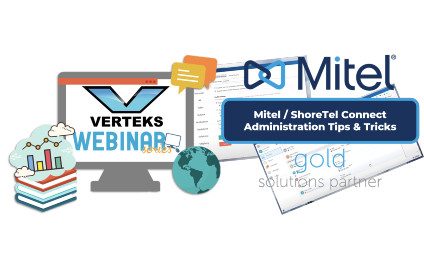
These event are recommended for any technical or primary ShoreTel / Mitel support contact in your organization. These webinars are meant for organizations that have already migrated to Connect, and for those seeking to learn more about Connect before migrating.
These event are recommended for any technical or primary ShoreTel / Mitel support contact in your organization. These webinars are meant for organizations that have already migrated to Connect, and for those seeking to learn more about Connect before migrating.
Most endpoint security products only block what’s known to be bad, investigate what is suspicious, and allow what is not known to get through – enabling malware that rapidly morphs to bypass defenses with other unknown traffic.
That’s why a strong defense with proactive intelligence is so important.
The FLGISA Annual Conference 2021
We are excited to sponsor the Florida Local Government Information Systems Association 2021 Annual Conference held at the Hilton Orlando Bonnet Creek on July 12-15, 2021. The symposium is open to all Florida local government agency technology professionals.
These event are recommended for any technical or primary ShoreTel / Mitel support contact in your organization. These webinars are meant for organizations that have already migrated to Connect, and for those seeking to learn more about Connect before migrating.