

It’s troubling to think about physical security risks in the workplace. However, a recent study found that workplace crime is rising due to increased aggression, growing numbers of weapons, and economic and social factors. A separate study found that the high cost of living is driving more workplace theft.
How to Implement a Robust Access Control Strategy

Hybrid Work Is the Norm, But Is It Working?

Many organizations still lack the right culture and technology to support the hybrid workplace effectively.
The pandemic may have triggered a sudden, unexpected shift to remote work, but the reopening of offices did not mark a transition back to full-time onsite work.
‘Tis the Season to Be … Vigilant

AI-driven phishing campaigns, fake e-commerce sites and other holiday scams victimize businesses as well as consumers.
For all the joy and goodwill surrounding the holidays, it has unfortunately also become the high season for cybercrime. Because consumers do a big chunk of their holiday shopping online, cybercriminals boost their online attacks and scams during the holidays.
Shadow AI: A Growing Problem That Brings Significant Risks

AI has caused numerous unexpected issues, ranging from bias and discrimination in critical decision-making systems to misinformation and security threats. These problems often stem from the technology’s complexity and reliance on human-biased data.
However, one challenge is all too predictable: shadow AI. Employees are using an array of AI tools that aren’t sanctioned, monitored or managed by the IT department.
Close Security Gaps by Taking Full Advantage of M365 Features
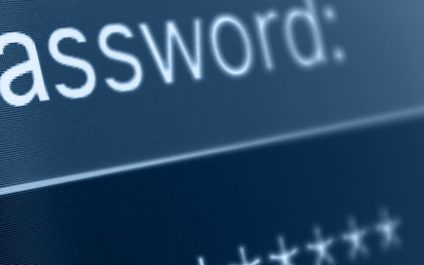
Is your organization taking full advantage of Microsoft 365’s security features?
A recent benchmark study of more than 1.6 million M365 users found shocking security gaps. Even fundamental security measures are not fully implemented in many organizations.
Data Loss Prevention Is Becoming More Powerful with AI

Data in transit is data at risk — which means a lot of data is at risk these days. Important company data regularly moves between home offices, cloud platforms and corporate networks thanks to the rise of remote and hybrid work models.
There’s always a chance that data in transit could be intercepted, accidentally delivered to the wrong person or accessed by unauthorized individuals.
Virtual Private Servers: A Great Option for Many Workloads
Virtual private servers (VPSs) are an increasingly popular option for organizations seeking affordable, scalable and secure platforms for their applications. VPSs eliminate the upfront costs and maintenance associated with on-premises hardware while offering greater performance than a multitenant cloud environment.
Cyberattacks on Mobile Devices Continue to Escalate
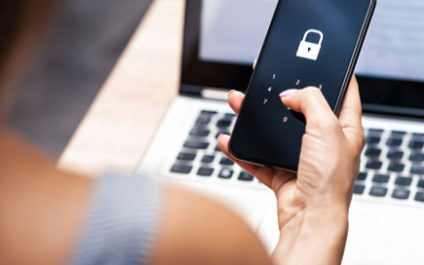
Mobile device management solutions can help organizations reduce the risk.
Users aren’t paying much attention to the security of their mobile devices. Threat actors, on the other hand, are.
According to a recent report, 50 percent of mobile devices have outdated operating systems.
Overcoming Data Backup Headaches
Backup-as-a-Service solutions eliminate the need to buy and manage backup hardware while ensuring that backups are completed on schedule, every time.
Data backup has always been a challenging process, but it has become more difficult than ever over the past two years.
The Business and IT Benefits of Endpoint Modernization

Remote and hybrid work models have dramatically changed endpoint management requirements. Traditional tools deployed are not effective for managing devices and applications remotely. Multiple tools are needed for various device types and operating systems, creating a fragmented environment that increases complexity and makes it difficult to enforce policies consistently.