

Many people glance at the Wi-Fi bars on their smartphones to get a sense of network performance. However, “full bars” only means that the device is close enough to the router to hear its radio waves loudly. The connection can still crawl if the airwaves are crowded or there’s radio interference.
Why a Strong Wi-Fi Signal Doesn’t Equate to Good Performance

Cyber Espionage: The Silent Threat SMBs Seldom Think About

Cyber espionage is a growing threat that often targets small to midsize businesses (SMBs). Nation-states, corporate competitors and hacking groups are infiltrating company networks to steal sensitive data. They often use traditional hacking techniques, but the objective is different: get in, stay hidden for months or years, and steal as much data as possible.
The Missing Layer in Your Remote Work Security Strategy

Home networks are the primary security risk for distributed workforces. Nearly half of all corporate security incidents involve remote work vulnerabilities. About 31 percent of those incidents begin with attackers exploiting home network peripherals.
Ninety percent of IT security professionals state that managing remote worker threats is significantly harder due to a lack of visibility into residential Wi-Fi traffic.
Is It Time to Move Your Phone System to the Cloud?

These five signs indicate that your legacy phone system no longer meets the needs of your business, and it’s time to migrate to a cloud-based platform.
Many organizations continue using their legacy phone systems because they work well enough. However, a system that’s past its useful life can be a real drag on business.
Real-World Layered Security

A layered security strategy is built from a five-pillar framework that protects against complex, multi-vector cyber threats.
Most small to midsize enterprises (SMEs) know that cyber threats are dangerous, but they don’t fully understand how security works.
Reliability Is the Most Important Feature in a Phone System

When evaluating a business phone system, decision-makers often focus on flashy features. However, those “bells and whistles” offer zero value if the system goes down.
Instead, decision-makers should focus on reliability first. A reliable phone system ensures business continuity, protects revenue and preserves customer trust.
Why Backup Failures Are So Common and How to Prevent Them

Backup failures are alarmingly frequent. Multiple industry studies indicate that 60 percent of data backups and 50 percent of all data restoration attempts fail. This creates a “false green dashboard” effect, in which automated software reports that everything is fine, but the data backup is incomplete or entirely unrecoverable.
Outdated Systems Are a Primary Roadblock to AI Success

Legacy IT infrastructure is often the single biggest barrier to AI adoption in small to midsize enterprises (SMEs). Older software isolates critical business data, preventing the cross-functional visibility that AI needs to operate. AI applications also demand high-speed processing and flexible compute power that older hardware cannot provide.
Why Physical and IT Security Go Hand in Hand
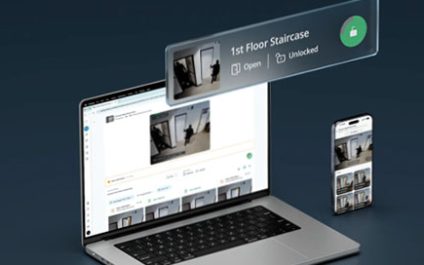
Traditionally, the physical security of facilities has been a distinct discipline from the logic security of IT systems and data. Physical security was viewed as an extension of building operations to be handled by facilities managers. Their responsibilities included managing security cameras, mechanical locks, guard services and facility access.
8 Questions to Ask Before Migrating Workloads to the Cloud

Successful cloud migrations begin with well-defined business objectives, success metrics, and technical and operational requirements.
For years, the public cloud seemed like the solution to the drawbacks of onsite IT infrastructure. However, spiraling costs, compliance gaps and vendor lock-in have exposed the limitations of the cloud-first model.